
As the vibrant fall foliage begins to paint Monticello's landscape and temperatures start dropping, it's the perfect time to ensure your home's security is ready for the changing season. Fall brings unique challenges for homeowners in Sullivan County, from shorter days that increase darkness hours to weather changes that can affect your locks and security systems. At Monticello Locksmith, we've served the community at 461 Broadway for years, and we understand the specific security needs that come with autumn in upstate New York. This comprehensive checklist will help you protect your home and family as we transition into the cooler months.
Why Fall Security Maintenance Matters in Monticello
Monticello homeowners face distinct seasonal challenges that make fall an ideal time for security assessments. The transition from summer to winter isn't just about raking leaves and preparing your furnace—it's also crucial for your home's safety infrastructure.
During fall, we experience earlier sunsets, which means your home sits in darkness for longer periods. This extended darkness can make properties more vulnerable to break-ins, as burglars often prefer working under the cover of night. Additionally, the weather fluctuations common in Sullivan County during autumn—from warm, humid days to freezing nights—can cause locks to contract and expand, potentially leading to mechanical issues.
Many Monticello residents also prepare their seasonal properties for winter closure during fall, making it essential to secure vacation homes and rental properties properly. Whether you live year-round in the historic downtown area near Broadway or have a seasonal retreat in the surrounding countryside, fall maintenance ensures your locks and security systems function reliably when you need them most.
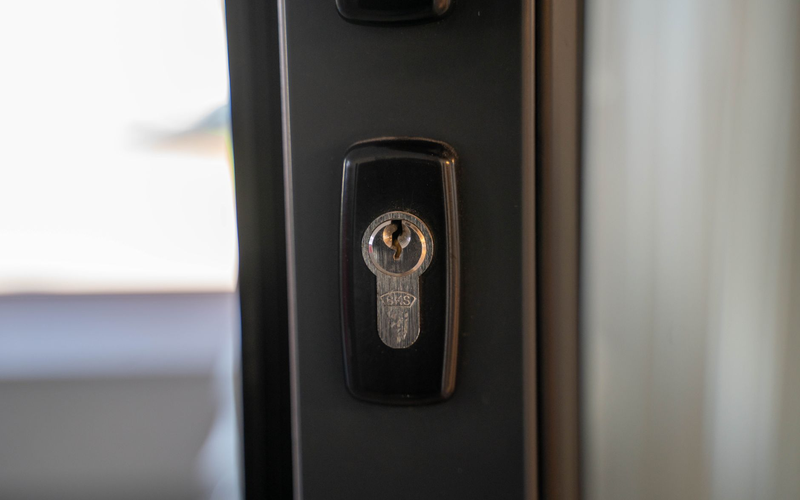
Inspect All Entry Point Locks
Your home's first line of defense is the locks on your doors and windows. Fall is the perfect time to conduct a thorough inspection of every entry point.
Start by testing each door lock in your home. Turn the key in both directions and pay attention to any resistance, grinding, or difficulty. Locks should operate smoothly without excessive force. If you notice any sticking or unusual sounds, the lock mechanism may need lubrication or professional servicing.
Check the deadbolts on all exterior doors. A properly functioning deadbolt should extend at least one inch into the door frame. Examine the strike plate—the metal piece attached to the door frame where the bolt enters—to ensure it's securely fastened with long screws (at least three inches) that anchor into the wall studs, not just the door frame.
Window locks often get overlooked during security assessments, but they're equally important. Test each window lock to ensure it engages fully. Look for any signs of wear, rust, or damage. Remember that ground-floor and easily accessible windows require extra attention, as these are common entry points for intruders.
Don't forget about secondary entry points like basement doors, garage doors, and sliding glass doors. These areas often have unique locking mechanisms that require specific maintenance. Sliding door locks should be tested for proper engagement, and you might consider adding a security bar for additional protection.
Lubricate and Clean Lock Mechanisms
Sullivan County's autumn weather can be particularly harsh on lock mechanisms. The combination of moisture, falling temperatures, and debris can cause locks to freeze or malfunction during critical moments.
Proper lubrication is essential for maintaining smooth lock operation throughout the fall and winter months. However, not all lubricants are appropriate for locks. Avoid using WD-40 or oil-based products, as these can attract dirt and gum up the mechanism over time. Instead, use a graphite-based lubricant or a silicone spray specifically designed for locks.
To lubricate your locks effectively, insert the nozzle of your graphite lubricant into the keyway and give it a quick spray. Insert your key and turn it several times to distribute the lubricant throughout the mechanism. Wipe away any excess that drips out. This simple maintenance can prevent frozen locks during those first cold snaps that hit Monticello in late October and November.
Cleaning your locks is equally important. Dust, pollen, and debris accumulate in lock mechanisms over time, especially after summer. Use compressed air to blow out any particles from the keyway before lubricating. For exterior locks, consider using a weatherproof cover during heavy rain or snow to prevent water intrusion.
Pay special attention to garage door locks and outdoor padlocks, as these are exposed to the elements year-round. If you have locks on outdoor sheds, gates, or storage units, make sure they're properly maintained before winter weather arrives in full force.
Upgrade to High-Security Lock Systems
Fall is an excellent time to consider upgrading your home's security infrastructure. If your locks are more than seven years old or you've experienced any security concerns, investing in modern, high-security locks provides peace of mind throughout the darker months ahead.
High-security locks offer several advantages over standard residential locks. They feature pick-resistant and drill-resistant mechanisms that make unauthorized entry significantly more difficult. Many modern options include patented keyway designs that prevent unauthorized key duplication, giving you complete control over who has access to your home.
Consider upgrading to Grade 1 deadbolts, which meet the highest security standards set by the American National Standards Institute (ANSI). These locks withstand significantly more force than lower-grade options and provide superior protection against kick-ins, one of the most common methods of forced entry.
Smart locks represent another upgrade option worth considering. These electronic systems allow you to control and monitor your locks remotely via smartphone apps. You can lock or unlock doors from anywhere, receive notifications when someone enters, and create temporary access codes for guests or service providers. This technology is particularly useful for Monticello homeowners who travel frequently or manage rental properties.
When upgrading locks, ensure all exterior doors receive the same level of security. A chain is only as strong as its weakest link, and the same principle applies to home security. There's little benefit to installing a high-security lock on your front door if your back door still has the original builder-grade lock from 1985.
Check and Rekey Locks After Summer Visitors
If you've had guests, contractors, or service providers in your home during the summer months, fall is the ideal time to rekey your locks. This precaution ensures that any keys that may have been copied or lost no longer provide access to your property.
Rekeying is a cost-effective alternative to complete lock replacement. The process involves changing the internal pins and springs of your existing lock cylinder so that old keys no longer work. A new key set is created that operates the modified lock. This service costs significantly less than purchasing and installing entirely new locks while providing the same security benefits.
Consider rekeying if you've recently purchased your home, even if you moved in during another season. Previous owners, their relatives, neighbors, contractors, and real estate agents may still have keys to your property. Rekeying eliminates this security vulnerability and gives you complete control over access.
Homeowners who rent out properties on platforms like Airbnb or VRBO should establish a routine rekeying schedule. The turnover of guests creates opportunities for key duplication or loss. Smart locks with changeable codes offer an alternative solution for rental properties, allowing you to provide unique access codes that can be changed between guests.
If you've recently ended a relationship, had an employee leave, or terminated services with a contractor who had keys, rekeying should be a priority. While uncomfortable to consider, these situations represent legitimate security concerns that shouldn't be ignored.
Evaluate Outdoor Lighting and Security Integration
As daylight hours decrease throughout fall, outdoor lighting becomes increasingly important for home security. Proper illumination eliminates shadows where intruders might hide and makes it easier to see who's approaching your property.
Assess your current outdoor lighting setup. All entry points—front door, back door, side doors, and garage—should have adequate illumination. Motion-activated lights are particularly effective, as they startle potential intruders and alert you to movement around your property.
Consider the placement of your outdoor lights carefully. Lights should illuminate the door itself, the approach to the door, and the area where someone would stand while attempting to manipulate the lock. This visibility serves as both a deterrent and evidence capture opportunity if you have security cameras.
Integrate your lighting with your overall security strategy. Modern smart home systems allow outdoor lights to work in conjunction with locks, cameras, and alarm systems. You can program lights to turn on automatically at sunset, respond to motion detection, or activate when doors are unlocked.
Path lighting isn't just decorative—it also serves a security function by eliminating trip hazards and making it easier to navigate to your door with your keys. Well-lit pathways leave no dark corners and make it obvious when someone is approaching your home.
Don't forget about your garage and outbuildings. These structures often contain valuable tools, equipment, and recreational items. Proper lighting and secure locks on these buildings protect your investments and eliminate hiding spots on your property.
Prepare for Winter Lock Challenges
Monticello winters can be harsh, and frozen locks are a common frustration for local homeowners. Preparing your locks now, during fall, prevents emergency situations during January's bitter cold.
Frozen locks occur when moisture enters the lock mechanism and freezes, preventing the key from inserting or turning. Prevent this by ensuring your locks are properly lubricated with a graphite-based or silicone lubricant before temperatures drop. These lubricants don't attract moisture like oil-based products.
Weather stripping around doors serves dual purposes: it improves energy efficiency and helps prevent moisture from reaching your locks. Inspect weather stripping during your fall maintenance and replace any worn or damaged sections. Proper sealing keeps cold air, moisture, and debris away from lock mechanisms.
Consider installing lock covers or guards on exterior locks that face prevailing winds or are exposed to direct precipitation. These inexpensive additions shield your locks from the worst weather while still allowing normal operation.
Keep a lock de-icer in your car or garage—not inside your house—so it's accessible if you get locked out due to frozen locks. Hand sanitizer can also work in a pinch, as the alcohol content helps melt ice, though dedicated de-icer products work more effectively.
For homes with electronic or smart locks, verify that they're rated for the temperature extremes we experience in Sullivan County. Some electronic locks may malfunction in very cold conditions. Battery-powered smart locks should have fresh batteries installed before winter, as cold weather reduces battery life.
Secure Seasonal Equipment and Outdoor Items
Fall is when many Monticello homeowners transition from summer activities to winter preparations. This seasonal shift involves storing outdoor furniture, recreational equipment, and garden tools while bringing out snow blowers and winter gear.
Proper security for sheds, garages, and storage areas protects valuable equipment from theft. High-quality padlocks and hasps should secure any outdoor storage buildings. Look for padlocks with shrouded shackles that resist bolt cutters and weather-resistant bodies that won't seize up during winter.
Motorcycles, ATVs, boats, and other recreational vehicles often get stored during fall. If you keep these items in accessible locations like carports or open garages, consider additional security measures beyond standard locks. Chains, wheel locks, and alarm systems provide layered protection for high-value equipment.
Ladders are tools for homeowners but also for burglars. Store ladders securely in locked areas where they can't be used to access second-story windows or roof access points. The same applies to tools that could be used to force entry into your home.
Garden sheds often contain expensive tools, lawn equipment, and chemicals. Beyond securing the shed itself, consider installing shelving with individual locks for particularly valuable items. This creates an additional barrier that deters casual theft even if someone gains access to the building.
Winter equipment like snow blowers represents a significant investment. Store these items securely, and consider engraving your identification information on them. Marked equipment is less attractive to thieves and easier to recover if stolen.
Test and Update Master Key Systems
For Monticello homeowners with larger properties or multi-unit buildings, fall is an appropriate time to review master key systems. These systems allow different keys to access specific areas while a master key opens all locks—convenient for property managers and homeowners with complex access needs.
Test each key in your master key system to ensure proper function. Over time, pins can wear, and locks can become misaligned, causing keys to stick or fail. Identifying these issues during routine maintenance prevents emergency situations.
Review who has access to master keys and whether that access is still appropriate. Personnel changes, tenant turnover, and relationship changes may necessitate rekeying portions or all of your master key system. Maintaining strict control over master keys is essential for system security.
Consider the hierarchy of your master key system. Well-designed systems have multiple levels: individual keys for specific locks, sub-master keys for related areas (like all apartments on one floor), and grand master keys for complete access. Fall maintenance should verify this hierarchy still meets your needs.
Document your master key system thoroughly. Keep records of which keys open which locks, who has been issued specific keys, and when locks were last rekeyed or serviced. This documentation proves invaluable during security audits or when issues arise.
If your property has grown or changed over the years with additions or renovations, your master key system may need expansion or reconfiguration. Professional locksmiths can integrate new locks into existing systems or design entirely new systems that better serve your current needs.
Review Home Security Habits and Access Control
Physical security measures only work when combined with good security habits. Fall is an excellent opportunity to review and reinforce security practices with everyone in your household.
Key control is fundamental to home security. Know exactly how many copies of your house keys exist and who has them. Keys should never have identifying information attached—if lost, someone could easily connect the key to your address. Instead, use numbered tags that only mean something to you.
Establish a routine for checking that all doors and windows are locked, especially before bed and when leaving the house. This might seem obvious, but many break-ins occur through unlocked doors. The shorter days of fall can disrupt routines, so consciously reviewing your lock-up procedures helps maintain good habits.
Educate family members about not hiding keys outside. The practice of leaving a key under the doormat, above the door frame, or in a fake rock is well-known to burglars. These hiding spots are the first places they check. Instead, leave a spare key with a trusted neighbor or invest in a secure key box with a combination lock.
If you employ housekeepers, dog walkers, or other service providers who need access to your home, consider a smart lock system that allows you to create and delete access codes. This approach eliminates the need to distribute physical keys and provides an audit trail of who entered and when.
Teach children appropriate age-specific security practices. Younger children should know never to answer the door when home alone. Older children who carry house keys should understand the importance of never lending them to friends and keeping them secure at school.
Address Common Lock and Key Problems
Fall maintenance provides an opportunity to address minor lock and key issues before they become major problems during winter's harsh conditions.
Sticky keys often indicate a lock that needs lubrication or a key that's becoming worn. If you must wiggle or jiggle your key to make it work, don't ignore this warning sign. The problem will worsen over time, potentially leaving you locked out during inconvenient moments.
Keys that are difficult to remove from locks suggest either a worn key or a damaged lock cylinder. Have duplicate keys made from the original key, not from copies of copies. Each generation of copying introduces small imperfections that accumulate over time, creating keys that don't quite fit properly.
Loose door hardware compromises lock security. Tighten all screws on door handles, deadbolts, and strike plates. If screws won't tighten because the holes have become enlarged, use longer screws or fill the holes with wood filler before reinstalling the hardware.
Misaligned doors prevent locks from engaging properly. This often occurs as houses settle over time or after seasonal expansion and contraction. If your deadbolt doesn't align with the strike plate, adjust the strike plate position or have the door properly rehung.
Broken or bent keys should be replaced immediately, not continued in use. A key that breaks off inside a lock requires professional extraction and can leave you locked out. If your key is visibly bent or shows cracks, have a new one made before the old one fails completely.
Plan for Emergency Locksmith Situations
Despite best maintenance efforts, emergency locksmith situations occur. Planning ahead ensures you're prepared to handle these stressful events efficiently.
Program a reliable locksmith's number into your phone now, before you need it. At Monticello